
What to Do When Your School Has a Lice Outbreak
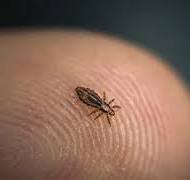
The email lands in your inbox: “We’ve confirmed cases of head lice in your child’s classroom.” Suddenly every itch feels suspicious. But before you get the hair clippers out and start bleaching everything in sight, take a breath — lice are common, treatable, and nothing to feel embarrassed about. What matters most is acting quickly and choosing the right approach.
First Things First: Check, Don’t Panic
Before you grab a treatment, make sure lice are really there. Use a fine-tooth comb and good lighting to look for tiny live bugs or eggs stuck to the hair shaft (especially at the nape of the neck and behind the ears).
If you find lice, don’t waste time on drugstore kits or DIY remedies like mayo or oils. They’re usually ineffective and just drag out the problem. Instead, call a professional in home lice service such as The Lice Chicks. They can treat on the spot with their own safe, clinic-approved products that actually work.
Why Professional First Is Best
- Fast & guaranteed: A service can clear lice in a single visit.
- Safe formulas: Their products are non-toxic and more effective than harsh OTC chemicals.
- Less stress: No second-guessing or hours of combing alone.
- Peace of mind!
What Schools Should Do
Good schools handle outbreaks quietly and factually — no panic emails, no shaming. They’ll:
- Notify parents promptly
- Provide education, not scare tactics
- Clean shared items like hats or headphones
- Avoid outdated “nit-free” return policies
Keep It Simple at Home
Once treatment starts, do a little light cleaning: wash bedding and run the vacuum, but skip the bleach-cleaning marathons and unnecessary things like bagging stuffed animals and throwing them in your garage for two weeks is overkill — lice don’t survive long off the head.
Prevention That Actually Works
- Teach kids not to touch heads during play, pictures, or sleepovers
- Keep long hair tied back
- Do quick head checks during back-to-school season
- Invest in lice prevention products and use daily such as The Lice Chicks products found here
Bottom Line
Lice aren’t a health threat, just an inconvenience, and with professional help, they don’t have to be a big one. Skip the drugstore aisle, skip the guesswork, and lean on experts who deal with this every day.
Looking for lice treatment near you? Contact The Lice Chicks for same-day removal or professional-grade products to use at home.
No, empty nits cannot cause a new infestation. However, finding nits close to the scalp may indicate active lice.
Lice move quickly and avoid light, making them hard to spot. Nits are often easier to see, especially in early infestations.
Lice can affect all hair types. However, nits may be easier to spot in certain hair colors or textures.
Policies vary by school, but many no longer enforce strict “no-nit” policies. However, treatment is still recommended to prevent spreading.
Yes, dry scalp flakes can resemble nits, but they are not attached firmly and will move easily when touched. Read up on our blog nits vs dandruff to tell the difference.
Refer to our lice facts page for more! or read our blog 7 Fascinating Facts About Lice You Don’t Know…But Should
We provide professional lice removal and lice checks across Westchester County, NY, Dutchess & Orange Counties, NY, Bergen County, NJ, Fairfield County, CT,Brooklyn, NY, NYC, Queens, Long Island,Baltimore, MD, NJ, Orlando FL, Tampa, FL, and ALL surrounding areas. If you’re in need of a post-vacation check, our expert technicians can help. Check out what services we offer on our services page!