
One Child Has Lice: What Should the Rest of the Family Do?
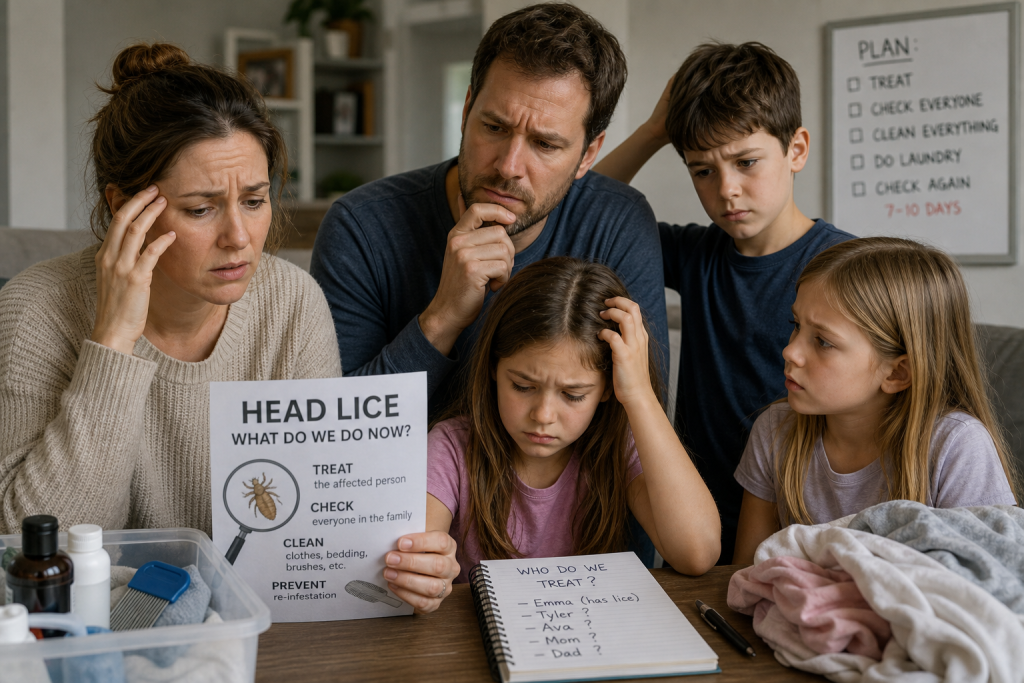
Discovering that one child has head lice can send the entire household into panic mode. Parents often wonder if everyone needs treatment, whether all the bedding needs to be washed immediately, and how to keep lice from spreading to the rest of the family.
The good news is that one case of lice doesn’t automatically mean everyone in the house has it. Taking the right steps early can help stop lice from spreading and make treatment much more manageable.
Check Everyone in the Household
The first step is to check every member of the family for signs of lice, even if they aren’t showing symptoms.
Pay close attention to:
- Behind the ears
- Along the hairline
- Near the nape of the neck
Remember that not everyone with lice experiences itching right away. Some people may have lice for days or even weeks before noticing any symptoms.
Only Treat Family Members Who Have Lice
It’s tempting to treat everyone “just in case,” but that’s usually unnecessary.
Instead, carefully inspect each person and only begin treatment if live lice or viable nits are found. Treating people who don’t have lice won’t prevent them from getting it later.
If you’re unsure what you’re seeing, a professional lice screening can quickly determine who needs treatment and who doesn’t.
Not sure if everyone in your household needs treatment? Contact The Lice Chicks to schedule a professional lice screening. Our experienced team can identify who has an active infestation and recommend the right treatment plan for your family.
Avoid Head-to-Head Contact
Since head lice spread primarily through direct head-to-head contact, it’s a good idea to limit close contact until treatment is complete.
This may mean reminding siblings to avoid:
- Hugging with heads touching
- Sharing a bed
- Taking close selfies
- Roughhousing where heads frequently come together
These temporary precautions can help reduce the chance of lice spreading through the household.
Wash Recently Used Personal Items
While lice don’t survive long away from the scalp, it’s still a good idea to clean items that have had recent contact with the affected person’s head.
Focus on:
- Pillowcases
- Bedding
- Hats
- Hairbrushes and combs
- Hair accessories
There’s no need to deep-clean the entire house. Head lice cannot survive long away from a human host, so extensive cleaning of carpets, furniture, and the entire home is generally unnecessary.
Continue Checking Everyone
Even after treatment, continue checking everyone in the household every few days for the next couple of weeks.
Regular follow-up checks can help catch any new cases early and confirm that treatment was successful before lice has a chance to spread again.
Don’t Panic Over Every Itch
Once lice enters the house, it’s common for everyone to suddenly feel itchy. In many cases, anxiety — not lice — is the culprit.
Instead of assuming every itch means a new infestation, perform a careful head check or schedule a professional screening if you’re uncertain.
When Professional Treatment Makes Sense
Some infestations are straightforward, while others are more difficult to eliminate at home. If multiple family members are affected or you’re simply unsure who has lice, professional treatment can save time and frustration.
Professional lice removal provides thorough screenings, careful nit removal, and expert guidance to help reduce the risk of reinfestation.
Stop Lice Before It Spreads
Finding lice on one child doesn’t have to turn into a household-wide outbreak. By checking everyone carefully, treating only those who need it, and acting quickly, you can greatly reduce the chances of lice spreading throughout your family.
If someone in your household has lice, don’t wait until everyone is scratching. Contact The Lice Chicks today to schedule a professional lice screening or treatment appointment. Our experienced team is here to help your family get back to normal quickly and confidently.
Frequently Asked Questions
Does everyone in the family need treatment if one child has lice?
No. Everyone in the household should be carefully checked, but only family members with live lice or evidence of an active infestation should be treated. Treating someone who does not have lice will not prevent a future infestation.
Should the entire family be checked when one child has lice?
Yes. Every household member should be checked, even if they are not itching. Some people may have head lice for days or weeks before developing noticeable symptoms.
What household items should be cleaned after finding head lice?
Focus on items that recently touched the affected person’s head, including pillowcases, bedding, hats, hairbrushes, combs and hair accessories. Extensive cleaning of carpets, furniture and the entire house is generally unnecessary.
How can we prevent lice from spreading to siblings?
Temporarily avoid direct head-to-head contact. Children should avoid sharing beds, taking close-contact selfies, roughhousing with heads touching and sharing brushes, hats or hair accessories until treatment is complete.
How often should the rest of the family be checked?
Continue checking household members every few days for approximately two weeks. Follow-up checks can identify a new case early and help confirm that treatment was successful.
When should a family call a professional lice-removal service?
Professional assistance can help when you are unsure what you are seeing, multiple family members may be affected, the infestation appears extensive or previous at-home treatment has not worked.